


How SaaS teams build launch landing pages that close enterprise deals
How we built Supergrow 2.0 launch landing page in under 24 hours
CRO
26 December
Author:
Most launch pages fail for one simple reason.
They are built to look good, not to move pipeline.
This breakdown is written for founders, heads of marketing, and growth leaders who need a page that:
supports sales conversations
qualifies enterprise leads
converts existing demand into real deals
Not for execution-only roles. This is a decision-level view you can share with your team.
This AI Landing Page Cracked $1B Deal (Full Process)
The real job of a launch landing page
A 2.0 or major feature launch page is not marketing content.
It is a sales asset.
Its only jobs are:
make the ICP self-qualify
anchor the positioning for sales
remove doubt before a call
compress time to trust
When done right, it can unlock deals that sales alone could not.
That is exactly what happened with Supergrow 2.0.
What SaaS teams get wrong about launch pages?
Most teams start with:
visuals
layouts
“what competitors are doing”
feature lists
That creates noise.
High-impact launch pages start with decision logic, not design.
Before anything is built, leadership alignment happens around three things:
who this page is not for
what advantage the ICP gets by acting early
what pain becomes risky if they ignore it
This is positioning, not copywriting.
The core system behind deal-driven landing pages
Our process focuses on deal enablement, not page polish.
At a high level, the system looks like this:
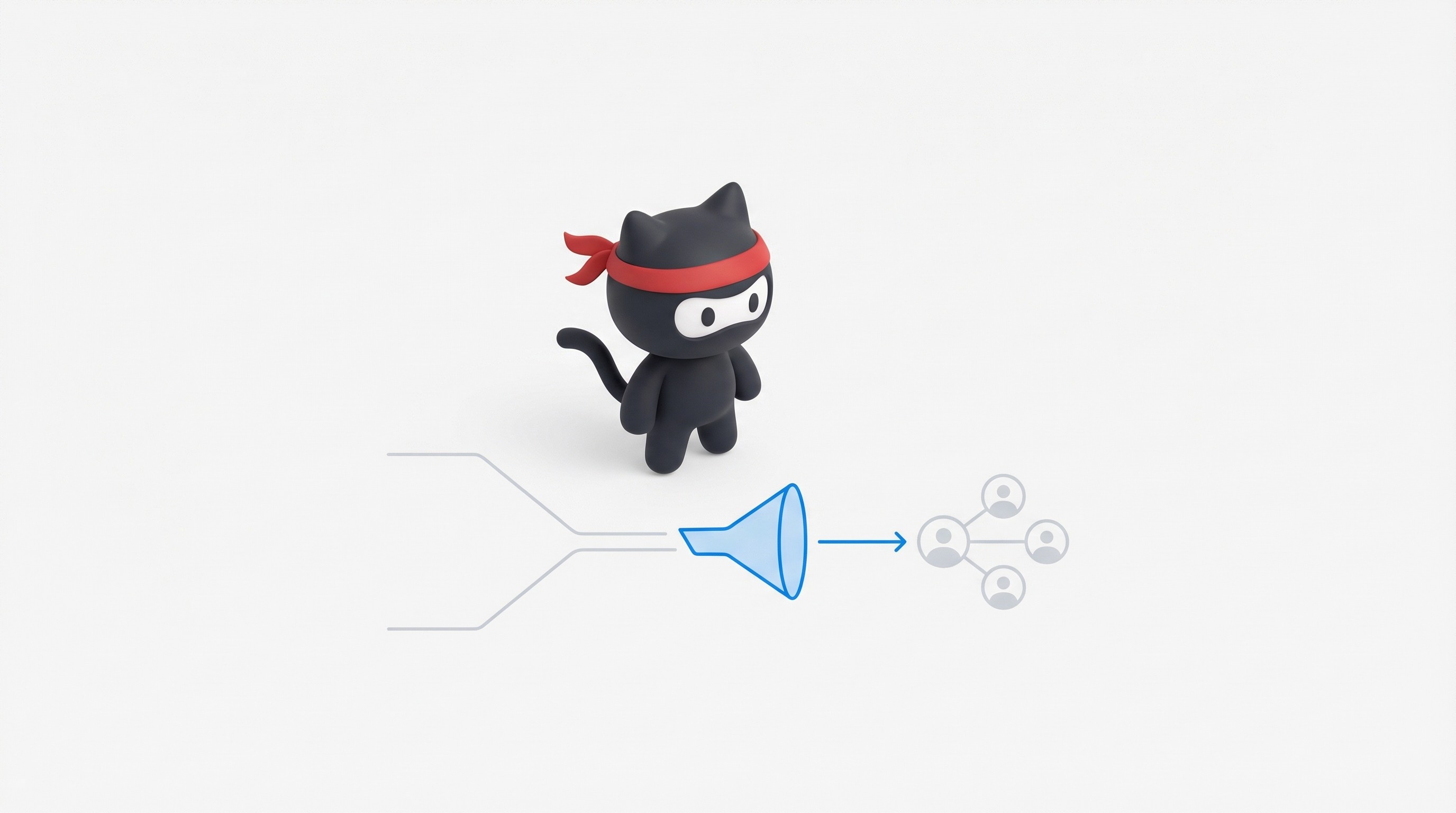
1) ICP compression, not expansion
The page speaks to a narrow buyer reality, not a broad audience.
Enterprise buyers do not want optional features.
They want leverage.
The page is written so the right people think:
“This is already built for how we operate.”
Everyone else self-filters out.
2) Proof before persuasion
Enterprise trust is built early or not at all.
Instead of explaining why the product is good, the page shows:
who already uses it
what outcomes are possible
why this version exists now
This shifts the sales conversation from “convince me” to “how does this work for us?”
3) Pain framed as missed advantage
The page does not say:
“You have a problem.”
It says:
“Your competitors are already leveraging something you are not.”
That reframes urgency without pressure.
This is especially effective for:
employee-led growth
distribution advantages
operational leverage
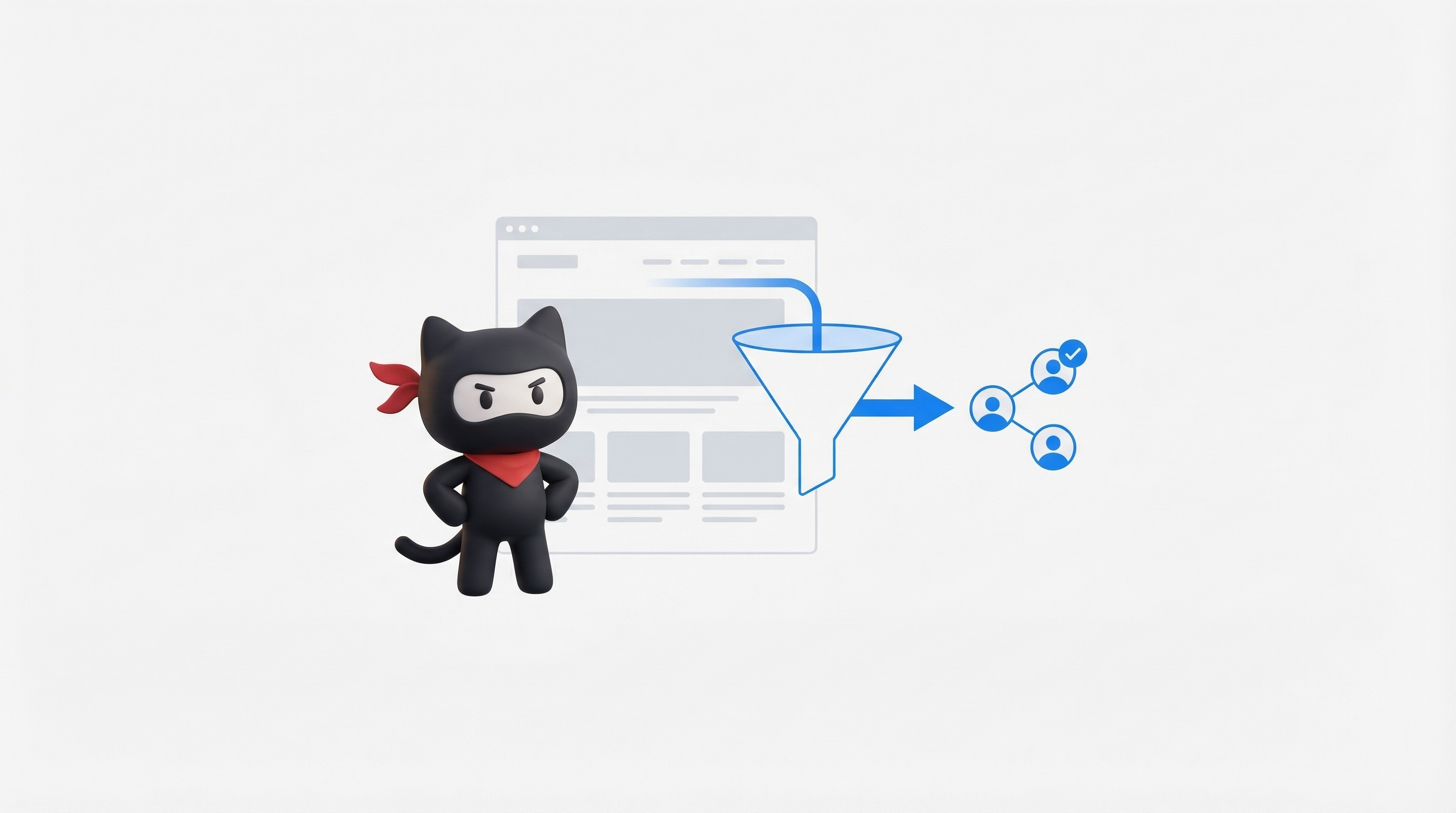
4) One clear conversion path
There is no funnel clutter.
The page is built around one action:
book a qualified conversation
or join a waitlist tied to real value
Every section supports that outcome.
This is why traffic quality matters more than traffic volume.
Why this works without paid traffic?
Supergrow did not rely on ads.
They already had:
organic traffic
product awareness
credibility
The landing page acted as a conversion layer, not a traffic engine.
For bootstrapped and AI-first SaaS teams, this matters:
you cannot afford to waste intent
every qualified visit must move closer to revenue
A focused page does that better than broad messaging.
What SaaS teams should take from this?
If you are planning:
a 2.0 launch
a major feature release
a new positioning push
an enterprise GTM motion
Your landing page should be treated as:
a sales multiplier
a qualification filter
a positioning document
Not a design project.
How to use this internally
This video and process are best shared with:
growth leads setting strategy
marketing leaders defining messaging
founders aligning sales and product
Let execution teams build after the logic is locked.
That is how pages stop being “nice to have” and start closing deals.
A high-performing B2B SaaS launch landing page is a sales asset, not a marketing page. It works by narrowing the ICP, showing proof early, framing pain as missed advantage, and driving one clear conversion action. When built this way, a single page can qualify enterprise buyers, support sales conversations, and turn existing organic demand into real revenue.

UnOptimised
4.8/5.0 RATING
The CRO agency for B2B SaaS teams stuck at low conversion rates | Revenue growth from $100K → $4M+ ARR for SaaS teams.